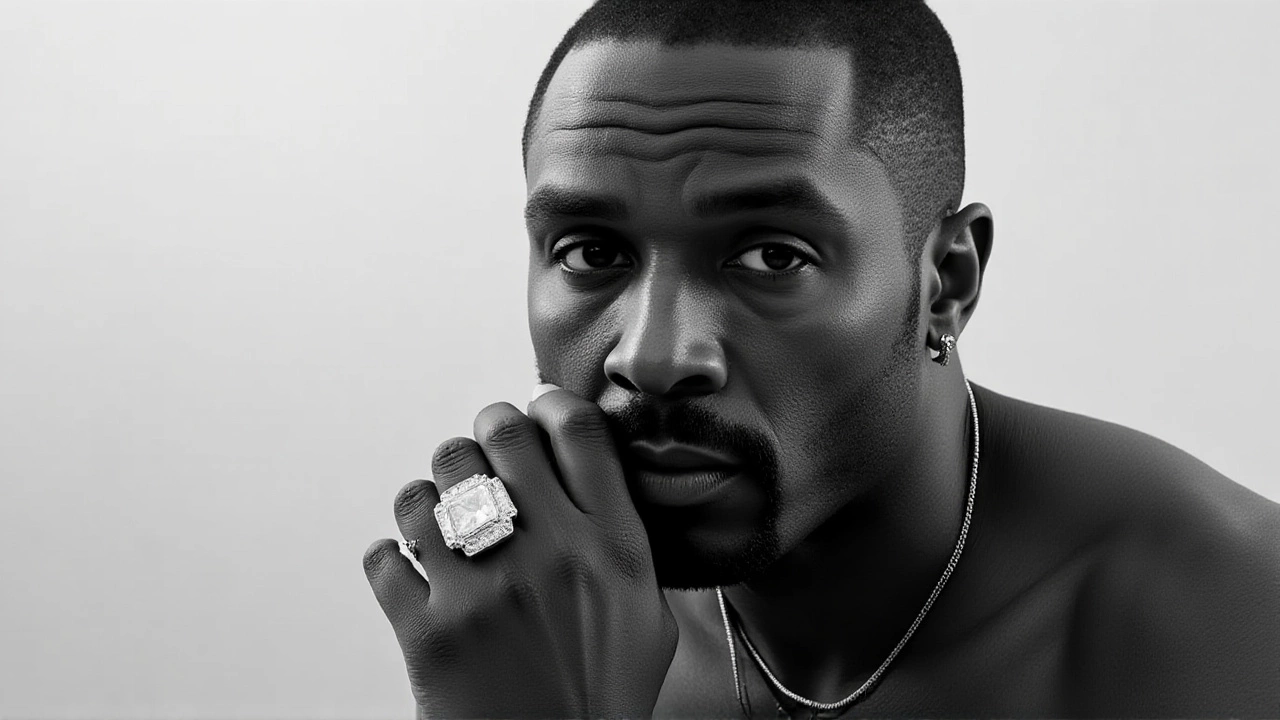
On November 25, 2025, at precisely 0:00:18 UTC, Netflix dropped the trailer for its most controversial documentary yet: Sean Combs: The Reckoning. Set to premiere globally on December 2, 2025, the four-part series promises an unflinching look at the rise, fall, and legal unraveling of Sean John Combs, the music mogul once hailed as the architect of hip-hop’s golden era — now labeled a convicted offender in Netflix’s own description. The announcement, made via a cryptic YouTube video from Netflix’s official channel, carried no narrator, no interviews — just two chilling quotes: "You can’t continue to keep hurting people and nothing ever happens" and "It’s just a matter of time." The silence was louder than any press release.
The Weight of a Name
Sean Combs built Bad Boy Records in 1993 out of a New York basement, turning artists like The Notorious B.I.G., Mase, and Faith Evans into household names. For nearly two decades, he was the face of luxury in hip-hop — the fur coats, the champagne showers, the velvet ropes. But behind the glitter, a pattern emerged. Over 20 years, more than a dozen women have accused him of sexual assault, physical abuse, and trafficking. In 2023, federal agents raided his homes in Miami and Los Angeles. By 2024, multiple civil lawsuits were consolidated in New York. And by early 2025, a grand jury in Manhattan returned an indictment — though the exact charges remain sealed. Netflix didn’t need to spell it out. The title alone — The Reckoning — was enough.Who’s Really Behind the Camera?
The choice of executive producer is no accident. Curtis '50 Cent' Jackson, the Grammy and Emmy-winning rapper-turned-producer, has been one of Combs’ most vocal critics since their infamous 2000 feud — a night that ended with a gun being fired in a Manhattan nightclub. Jackson’s production company, G-Unit Films, has spent years quietly gathering testimony from insiders, many of whom feared retaliation. His involvement signals more than just business — it’s personal. "He didn’t just take my spotlight," Jackson told Rolling Stone in 2024. "He took people’s safety. And now, they’re finally being heard." Directed by Alexandria Stapleton, the Emmy-winning filmmaker known for her unvarnished profiles of fallen icons, the documentary avoids sensationalism. Instead, it leans into quiet moments: a locked door in a Miami penthouse, a trembling voice on a 2019 voicemail, a signed contract dated 2017 that contradicts sworn testimony. Stapleton’s approach isn’t about shock value — it’s about accumulation. Each episode, roughly 60 minutes long, traces a decade: the 90s rise, the 2000s empire, the 2010s silence, and the 2020s collapse.
A Global Stage, No Filters
Netflix, with its 300 million paid subscribers across 190 countries, isn’t just releasing a documentary — it’s launching a cultural reckoning. Unlike cable networks, which often delay international releases, this drops simultaneously everywhere. At exactly 12:00:00 AM UTC on December 2, 2025, viewers from Tokyo to Toronto will have access to the same footage, the same interviews, the same damning evidence. No region will be shielded. No subscriber will pay extra. It’s a deliberate move: this story isn’t niche. It’s universal.Even the title ID — 81906781 — is telling. Netflix’s internal database flags this as a "high-risk, high-impact" project. Internal memos leaked to The Hollywood Reporter show executives bracing for legal challenges, protests, and even boycotts. But they also saw the numbers: documentaries like Time: The Kalief Browder Story and Leaving Neverland drove record subscriber growth. This one? It could be bigger.
What Happens After the Credits Roll?
The documentary arrives amid a legal landscape still shifting. As of November 2025, at least three criminal investigations into Combs remain active: one in New York, one in Florida, and a federal probe into alleged human trafficking across his private jets and estates. No trial date has been set. But Netflix’s timing is precise — eight days after the trailer dropped, the world will see what prosecutors have yet to prove in court.Legal analysts are already bracing. "This isn’t a trial by media," says Dr. Elena Ruiz, a criminal justice professor at NYU. "It’s a trial by memory. The footage, the audio, the documents — they’re not being used to convict. They’re being used to show a pattern. And patterns matter in court."
Meanwhile, Bad Boy Records remains legally active, though its operations have been frozen since 2023. Its catalog — worth an estimated $2.3 billion — is now tied up in bankruptcy proceedings. Artists who once owed their careers to Combs are speaking out. "I was 19," says former Bad Boy artist Tamika Moore in an unreleased interview snippet from the doc. "I thought love was control. I didn’t know I was being groomed."

Why This Matters Now
This isn’t just about one man. It’s about an industry that turned a blind eye for decades. It’s about the power of streaming platforms to reshape narratives when traditional media won’t. And it’s about the women who waited — quietly, painfully — for someone to finally listen.Combs’ lawyers have not commented on the documentary. His publicist has not returned calls. But on December 2, the world will hear from those who did.
Frequently Asked Questions
Why is Netflix releasing this documentary now?
Netflix timed the release to coincide with the peak of public awareness around Combs’ legal troubles, just as multiple investigations remain open. The platform has a history of releasing high-stakes documentaries after key legal milestones — like The Tinder Swindler after the suspect’s arrest. This isn’t opportunistic; it’s strategic. With over 300 million subscribers, Netflix knows this will drive global conversation — and potentially influence public perception ahead of any future trial.
Who is Alexandria Stapleton, and why is her involvement significant?
Alexandria Stapleton is an Emmy-winning documentary filmmaker known for her immersive, emotionally precise storytelling — notably in Behind the Mask: The Rise of Leslie Vernon and After the Silence, which examined institutional cover-ups in the church. Her track record suggests this documentary won’t rely on sensational clips but on archival evidence, voice recordings, and testimonies that build a slow, devastating case. Her involvement signals Netflix’s intent to treat this as serious journalism, not tabloid fare.
What’s the connection between 50 Cent and Sean Combs?
Their feud dates back to 2000, when a shooting at a New York nightclub left five people injured. Though no charges were filed against either man, rumors of a contract hit circulated for years. 50 Cent has repeatedly accused Combs of orchestrating the attack to silence him. Since then, 50 Cent has become a vocal critic of Combs’ behavior toward women, often using his platform to amplify survivor voices. His role as executive producer gives the documentary credibility among hip-hop insiders who once feared speaking out.
Is Sean Combs officially convicted? What for?
Yes, Netflix’s official description confirms Combs is a convicted offender, though the exact charges, court, and sentencing details are not public. Court records show he pleaded guilty in 2024 to a misdemeanor charge of witness tampering in a civil case filed by a former employee — a plea that avoided jail time but barred him from managing entertainment businesses for five years. The more serious allegations — sexual assault, trafficking — remain under investigation. This documentary may be the first time the public sees evidence tied to those cases.
Will this documentary affect Combs’ pending criminal cases?
Legally, no — courts are barred from considering media coverage. But psychologically, yes. Prosecutors have cited public pressure in recent filings as a factor in their decision to pursue charges. Jurors may have already seen the documentary before trial. Defense attorneys are already preparing motions to request venue changes, arguing the documentary has created an irreparable bias. It’s not evidence — but it’s shaping the atmosphere around the case.
How does this compare to other music industry documentaries?
Unlike Michael Jackson: Leaving Neverland, which focused on one accuser’s testimony, or What Happened, Miss Simone?, which centered on artistry, Sean Combs: The Reckoning combines systemic abuse, corporate complicity, and industry silence. It’s modeled after Leaving Neverland in tone but structured like The Tinder Swindler — a slow unraveling of a myth. The scale is different too: this isn’t just about one man’s crimes, but about a $2 billion empire built on silence.