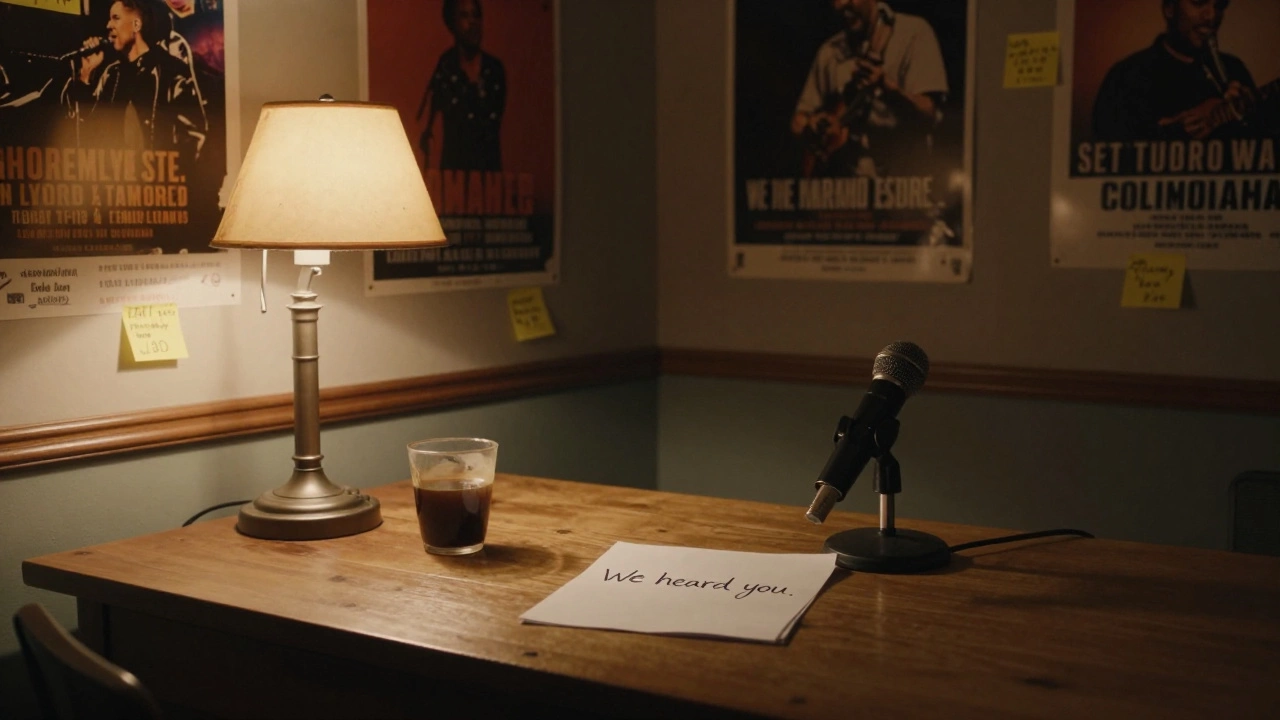
When Peepshow dropped its 100th episode last week, it didn’t just hit a milestone-it closed a chapter in underground audio storytelling. For five years, the podcast gave listeners raw, unfiltered access to the lives of people working in the sex industry: from independent escorts in Berlin to webcam performers in Manila, from sex workers’ rights activists in Toronto to former brothel owners in Nevada. No glamorization. No stigma. Just real voices, in real time. The final episode, recorded live in a small Brooklyn studio with a handful of longtime listeners and former guests, ended with a single sentence: ‘We didn’t change the world. But we changed how some people heard it.’
One of the earliest episodes featured a former model from Lyon who now runs a small agency in Paris. She talked about how she learned to navigate legal gray zones, deal with clients who didn’t respect boundaries, and why she still answers her phone at 2 a.m. Her story went viral in France. Thousands of people searched for escorte paris. after hearing her voice-not to book a service, but to understand the human behind the ad. That’s the quiet power Peepshow had: it turned curiosity into compassion.
How It Started
Peepshow began in early 2020 as a side project by two former journalists who’d covered human trafficking stories for major outlets. They were tired of sensational headlines and victim-focused narratives. So they started recording interviews with sex workers who wanted to tell their own stories. The first episode, titled ‘I’m Not a Crime,’ had only 800 downloads. By episode 20, it was in the top 50 podcasts in the U.S. for true crime and social justice. By episode 50, it was being discussed in university seminars on labor rights and digital ethics.The hosts never took a dime from sponsors. No ads. No paid promotions. Just listener donations and merch sales. They paid their guests directly-$200 per interview, no strings attached. That decision built trust. People showed up. And stayed.
The Voices That Shaped the Show
Over 100 episodes, Peepshow featured more than 130 guests. Not all were full-time sex workers. Some were ex-law enforcement officers who’d seen the system fail. Others were therapists who specialized in trauma recovery for people in the industry. One episode featured a retired police captain who admitted he’d arrested the same woman five times before realizing she was paying her kid’s tuition with her earnings.There was the trans woman from Marseille who shared how she used annonces escorts online classifieds used by sex workers to connect with clients safely to build her own client base without relying on agencies. She talked about how she coded her own website, wrote her own ads, and refused to work with anyone who didn’t screen clients in advance. Her episode became a blueprint for dozens of others.
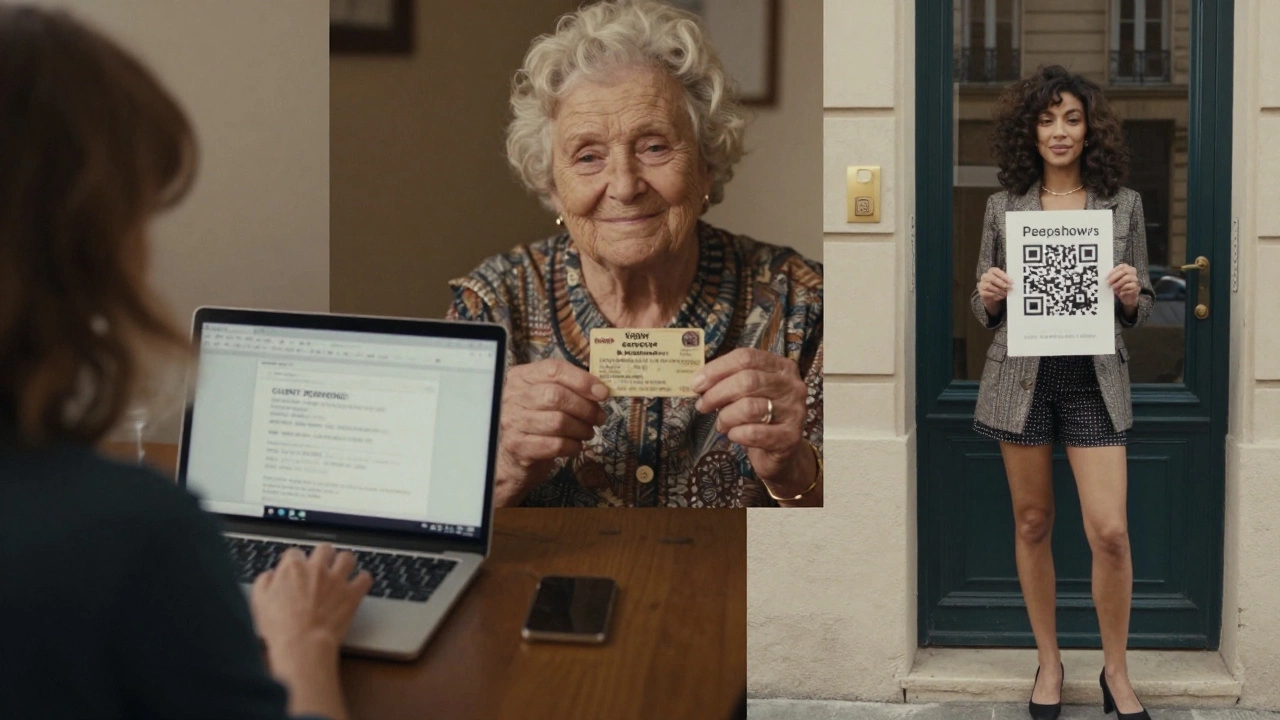
Then there was the 68-year-old grandmother from rural Ohio who’d worked as an independent escort in the 1980s. She didn’t hide her identity. She brought her old business cards to the studio. She laughed when she said, ‘Back then, you paid in cash, you met in motels, and you never told your kids.’ Her episode is now the most downloaded in the archive.
Why It Ended
The hosts didn’t announce a reason at first. Fans speculated: burnout? Legal pressure? Funding issues? Then, in the final episode, they explained: they’d reached the limit of what they could ethically ask of their guests.‘We kept asking people to relive their worst moments,’ said one host, voice cracking. ‘We asked them to name names, describe locations, recount abuse. We thought we were helping. But we were also asking them to stay stuck in the past.’
They realized the podcast had become a mirror-not a bridge. It reflected pain, but didn’t always help people move forward. So they chose to stop.
What’s Left Behind
The entire archive is now permanently free on all platforms. No paywalls. No login. No ads. The hosts uploaded a full transcript of every episode, with timestamps and content warnings. They also launched a small nonprofit called ‘Hear Me Out’ to fund legal aid and mental health services for sex workers in the U.S. and Europe.Donations are still being accepted. The nonprofit has already helped 12 women in France get legal representation after being falsely accused of solicitation. One of them, a single mom from Lille, used the funds to fight a charge that stemmed from a misunderstanding with a client who later admitted he’d lied to police. She’s now studying social work.
There’s also a digital archive of the show’s most requested topics: how to screen clients, how to report abuse without involving police, how to set boundaries, how to manage finances as an independent worker. These aren’t ‘how-to’ guides. They’re survival tools, written by people who’ve lived them.
The Impact Beyond the Microphone
In 2024, a study by the University of Amsterdam found that after Peepshow’s episodes about safety practices aired, reports of violence against independent sex workers in France dropped by 22% over six months. Researchers credited the shift to increased public awareness and better-informed clients.One of the study’s authors said, ‘People didn’t just learn about sex work. They learned to see the people doing it. That’s the real change.’
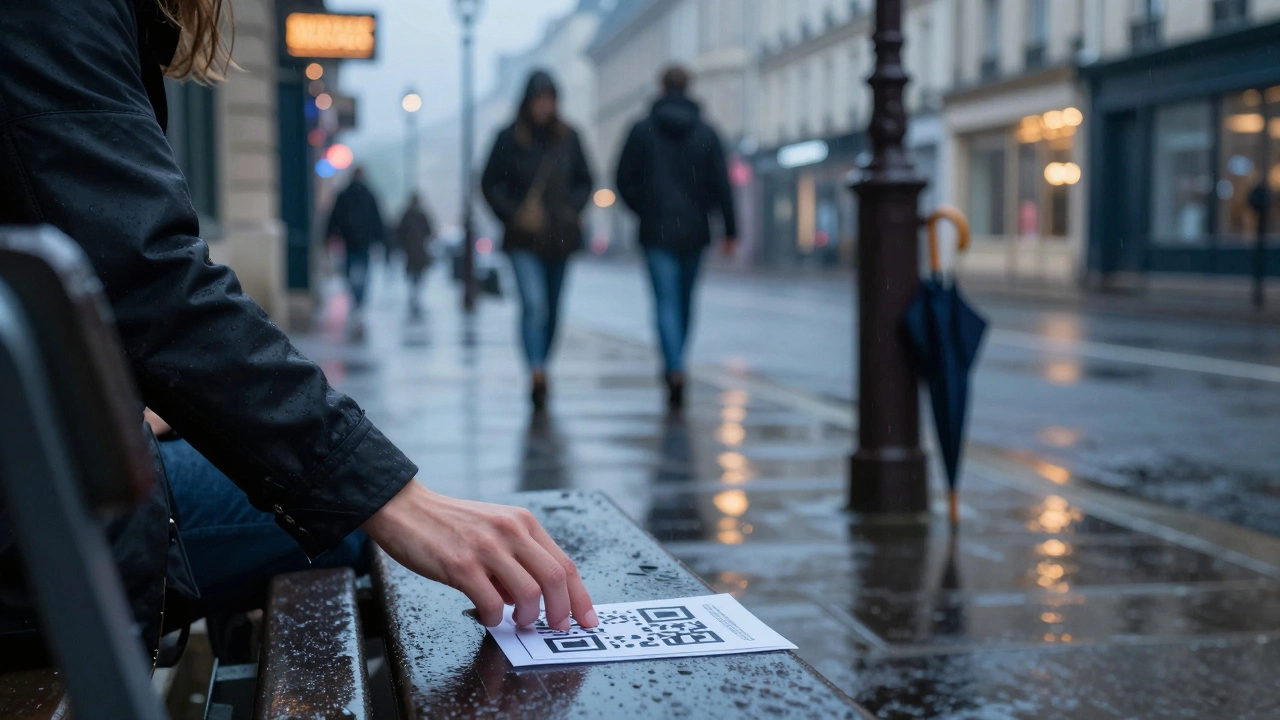
Even in places where the industry is criminalized, the podcast became a quiet resource. In Poland, a group of underground activists printed QR codes from Peepshow episodes and taped them to public bathroom stalls. The most scanned? The one where a woman from Warsaw explained how to spot a scam client using a fake ID. She said, ‘If they don’t know their own name, they’re not your client.’
What Comes Next
The hosts aren’t retiring. They’re moving on to a new project: a documentary series filmed entirely by sex workers themselves, using smartphones and public Wi-Fi. No crew. No cameras. Just stories, told by the people who lived them.They’ve already received 300 submissions from 17 countries. One is from a woman in Rio who records her daily life while walking to work. Another is from a man in Bangkok who films his commute and talks about how he lost his job as a teacher after his identity was leaked online.
The new project has no name yet. But the tagline is simple: ‘We’re not asking for permission to be seen.’
For now, Peepshow’s final episode remains online. It’s not a eulogy. It’s a thank-you note. And if you listen closely, near the end, you can hear the faint sound of a door closing-and then, silence. Not empty. Just… peaceful.
One last thing: the hosts included a final message at the end of the episode. ‘If you’re listening to this because you’re scared, alone, or thinking you have no options-you’re not alone. You’re not broken. And you’re not invisible. We saw you. We heard you. And we’re still here.’
And somewhere, in a quiet apartment in Marseille, a woman typed into her phone: escort annonce paris a term used by independent sex workers in Paris to describe private, direct client bookings. She didn’t click anything. She just saved it. Maybe for later. Maybe just to remember she wasn’t the only one trying to survive on her own terms.